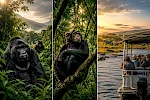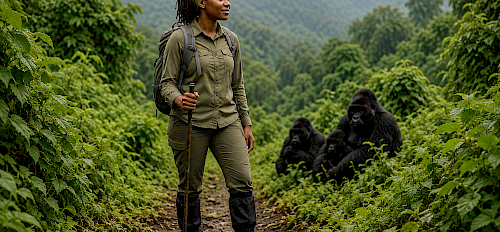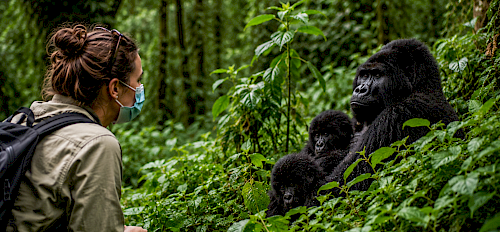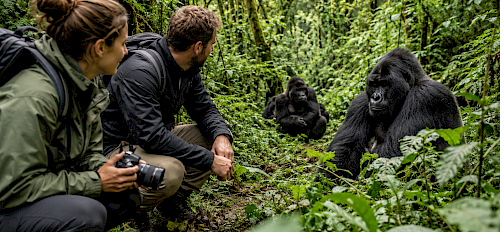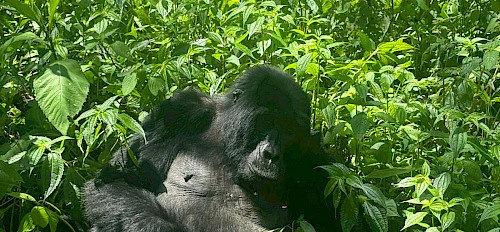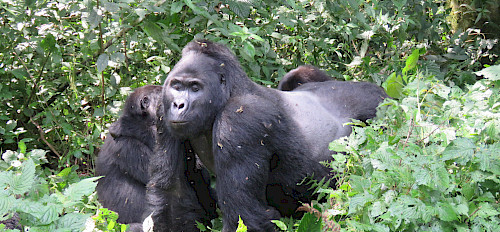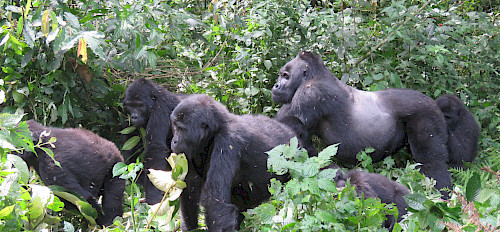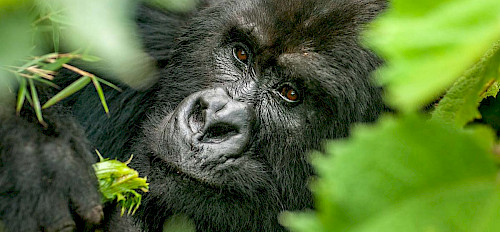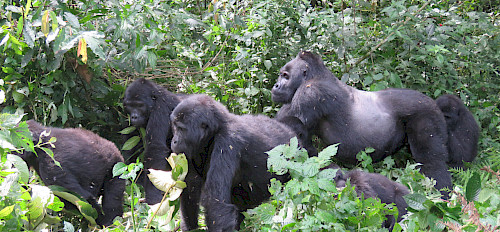
Yes, gorilla trekking is safe. In fact, it is considered one of the safest wildlife experiences in Africa. Every year, thousands of travelers visit mountain gorillas in Uganda, Rwanda, and the Democratic Republic of Congo without incident. Strict safety regulations, experienced ranger guides, limited visitor numbers, and decades of gorilla conservation work ensure that both visitors and gorillas remain protected throughout the experience.
While standing just a few meters away from a 400-pound silverback gorilla may seem intimidating, the gorillas visited by tourists are habituated groups that have become accustomed to human presence over many years. With proper guidance and adherence to park rules, gorilla trekking is a remarkably safe and rewarding adventure.
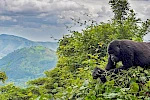
The dense jungle canopy filters the afternoon sunlight, casting long shadows across the forest floor. Suddenly, a rustle in the bamboo catches your attention. Moments later, a massive mountain gorilla emerges from the vegetation, calmly moving just a few feet away. It's a breathtaking moment and often the highlight of an African safari. Yet for many travelers, one question remains: Is gorilla trekking safe?
Understanding how gorillas behave, why safety protocols exist, and how park authorities manage these encounters can help you feel confident before embarking on your trek.
Several factors contribute to the excellent safety record of gorilla trekking:
Gorilla families visited by tourists are habituated to human presence.
Every trek is led by trained ranger guides and trackers.
Visitor numbers are strictly limited.
National parks enforce detailed safety regulations.
Gorilla movements are monitored daily.
Visitors receive comprehensive safety briefings before each trek.
These measures have made gorilla trekking one of the most successful wildlife tourism experiences in the world.
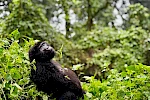
One of the most common concerns among first-time trekkers is whether gorillas are aggressive. Although mountain gorillas are incredibly strong animals, they are generally peaceful and shy.
Each gorilla family is led by a dominant male known as a silverback. His primary responsibility is protecting the group and maintaining order within the family.
When a silverback feels threatened, he may display warning behaviors such as:
Chest beating
Loud vocalizations
Tearing vegetation
Mock charges
These displays are usually intended to communicate strength rather than initiate an attack. Actual aggression toward tourists is extremely rare.
The gorillas visited during trekking experiences have undergone a process called habituation. Over several years, researchers and conservationists gradually introduce the gorillas to human observers, allowing them to become comfortable with human presence.
As a result, the gorillas typically continue their normal daily activities while visitors observe them from a safe distance.
To protect both visitors and gorillas, national parks enforce strict guidelines.
Visitors should remain at least 7 meters (23 feet) away from the gorillas whenever possible.
This helps:
Prevent disease transmission
Reduce stress on the gorillas
Preserve natural behavior
Occasionally, curious gorillas may approach visitors. If this happens, remain calm and allow the gorilla to move freely.
Prolonged eye contact can be interpreted by gorillas as a challenge.
Observe naturally without staring directly at the animals for extended periods.
Sudden movements and loud noises may startle gorillas.
During your encounter:
Speak softly
Move calmly
Follow ranger instructions
Avoid running
Even if a gorilla comes close, visitors must never attempt to touch it. Physical contact can spread disease and interfere with natural behavior.
Because mountain gorillas share approximately 98% of their DNA with humans, they are vulnerable to many human illnesses.
To protect these endangered animals:
Sick visitors may not be permitted to trek.
Face masks may be required.
Distance regulations must be followed.
Hand hygiene is encouraged.
If you are feeling unwell before your trek, it is important to notify park authorities.
Absolutely. Gorilla trekking is suitable for a wide range of ages and fitness levels.
Park authorities often assign visitors to gorilla families based on physical ability. Some treks are relatively short and easy, while others may require more hiking.
Many travelers in their 60s, 70s, and even older successfully complete gorilla treks every year.
Hiring a porter is one of the best ways to make the trek easier.
Porters can:
Carry your backpack
Assist on steep sections
Provide stability on muddy trails
The service also provides valuable income to local communities.
The most significant challenges during gorilla trekking are often related to terrain and weather rather than the gorillas themselves.
Recommended clothing includes:
Waterproof hiking boots
Long trousers
Long-sleeved shirts
Rain jacket
Gloves
This helps protect against mud, insects, thorny vegetation, and changing weather conditions.
Carry enough water for the hike. Depending on the gorillas' location, treks can last from one to several hours.
Your ranger guide has extensive knowledge of gorilla behavior and trail conditions. Following their instructions is the most important safety measure you can take.
Uganda is one of the best places in the world to see mountain gorillas and has an outstanding safety record for gorilla tourism.
The country's primary trekking destinations are:
Bwindi Impenetrable National Park
Mgahinga Gorilla National Park
Both parks operate under strict conservation guidelines and employ highly trained ranger teams to ensure safe and enjoyable trekking experiences.
Although uncommon, visitors may occasionally witness a silverback performing a bluff charge.
If this occurs:
Stay calm
Do not run
Avoid sudden movements
Follow your ranger's instructions
Most charges are displays of dominance rather than genuine attacks. Rangers are trained to manage such situations safely.
Yes, gorilla trekking is extremely safe when conducted through authorized national parks and reputable tour operators. The gorillas are habituated, the encounters are closely monitored, and strict rules are designed to protect everyone involved.
For most travelers, the biggest challenge is navigating the forest trails—not interacting with the gorillas themselves. Once you finally sit quietly among a gorilla family in the wild, you'll discover that these magnificent animals are far more gentle and peaceful than their size suggests.
The result is one of the most extraordinary and memorable wildlife experiences on Earth.
No. Gorilla trekking is widely considered safe and is carefully managed by trained park authorities.
While gorillas are powerful animals, attacks on tourists are extremely rare. Habituated gorillas are accustomed to human presence and generally remain calm.
The most common challenges are muddy trails, steep terrain, and physical exertion rather than the gorillas themselves.
Yes. Uganda's gorilla trekking parks maintain high safety standards and have extensive experience managing wildlife tourism.
Absolutely. Many travelers consider gorilla trekking the highlight of their African safari and one of the most meaningful wildlife encounters in the world.
Sat 14 Dec 2024
Mafia Island, Tanzania , is one of the most beautiful and peaceful destinations on the Tanzanian coast. Located in the Indian Ocean, south of Zanzibar and off...
More DetailsSat 14 Dec 2024
If you’re planning an adventure in Rwanda, the Congo Nile Trail should be at the top of your list. Although Rwanda is famously known for its gorilla trekking...
More Details