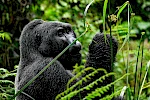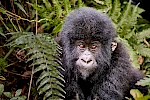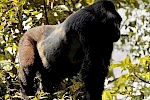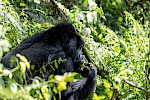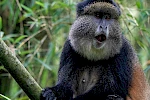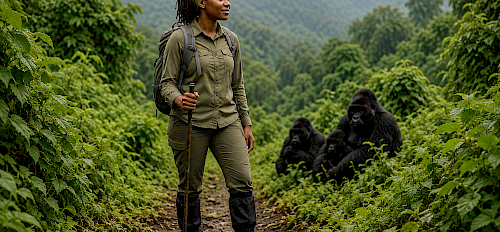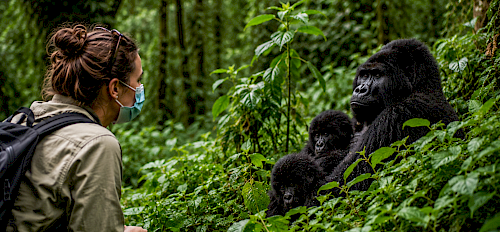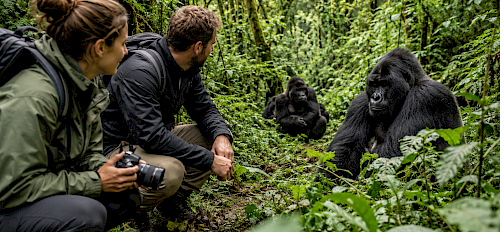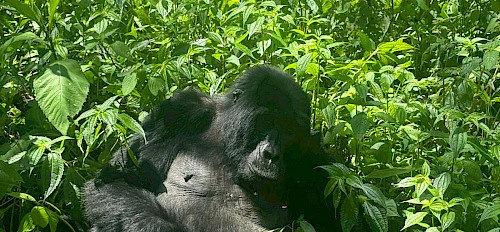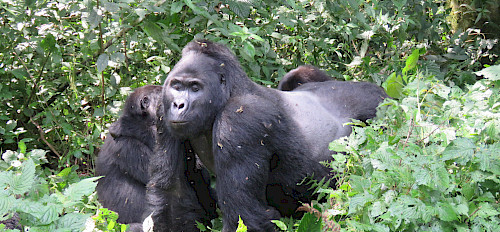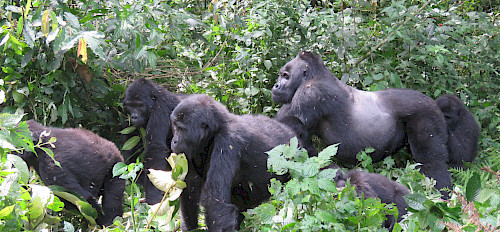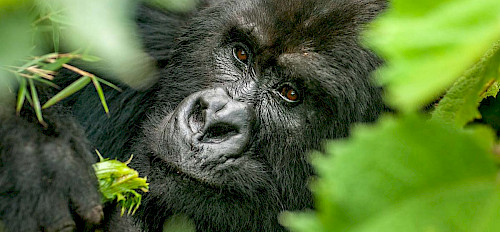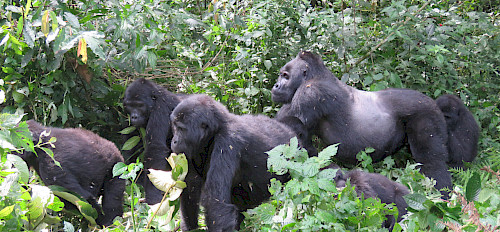
There is nothing quite like coming face-to-face with a mountain gorilla in the misty forests of Volcanoes National Park. One moment you are hiking through thick jungle vegetation, listening to birds echo across the mountains, and the next, a silverback gorilla quietly appears just a few meters away. It is one of Africa’s most unforgettable wildlife experiences.
But getting to that moment is part of the adventure. Gorilla trekking in Rwanda takes you through steep volcanic slopes, muddy trails, dense rainforest, and unpredictable mountain weather. Some treks are short and manageable, while others can take several hours through challenging terrain. Wearing the right clothing and carrying the proper gear can make a huge difference in your comfort and overall experience.
This guide covers exactly what to wear for gorilla trekking in Rwanda, including the best clothing, footwear, and essential items to pack for a successful trek.
The conditions inside Rwanda’s rainforest can change quickly. Early mornings are often cold and misty, while midday hikes become warm and humid. Trails may be slippery after rain, and the vegetation can be thick with thorny plants, stinging nettles, and insects.
Proper trekking gear helps you:
Stay dry and comfortable during the hike
Protect your skin from scratches and insect bites
Navigate muddy and uneven terrain safely
Avoid blisters and foot discomfort
Enjoy the gorilla encounter without distractions
Your first layer should keep you cool, dry, and comfortable throughout the trek. Lightweight long-sleeved trekking shirts made from synthetic fabrics or merino wool work best because they pull sweat away from the skin and dry quickly.
Long sleeves are highly recommended since they help protect your arms from scratches, insects, and nettles along the trail.
Avoid cotton clothing whenever possible. Cotton absorbs moisture and stays damp for long periods, making hikes uncomfortable in humid conditions.
A good pair of trekking trousers is essential for gorilla trekking in Rwanda. The trails often pass through dense vegetation, muddy sections, and rough terrain, so full leg coverage is important.
Choose lightweight hiking pants that are:
Quick drying
Breathable
Comfortable for climbing
Strong enough to handle rough vegetation
The weather in Rwanda’s mountain forests can change unexpectedly, even during the dry season. Rain showers are common, and conditions can shift quickly at higher altitudes.
A quality waterproof jacket is one of the most important items you can bring for gorilla trekking. Look for a lightweight jacket with:
A waterproof outer layer
Breathable fabric
A hood for rain protection
Comfortable movement while hiking
While not always necessary, waterproof rain pants can be extremely useful during wet months or longer hikes through muddy terrain. They help keep your legs dry and comfortable throughout the trek.
Your boots will have the biggest impact on your trekking experience. The trails inside Volcanoes National Park can be steep, slippery, and muddy, especially after rain.
The best hiking boots for gorilla trekking should provide:
Waterproof protection
Strong ankle support
Good grip and traction
Comfort during long hikes
High-ankle hiking boots are strongly recommended because they help stabilize your feet on uneven ground and reduce the risk of twisting an ankle.
Make sure your boots are properly broken in before your trip to avoid blisters.
Comfortable hiking socks are just as important as good boots. Thick trekking socks made from wool or synthetic blends help cushion your feet, reduce friction, and keep moisture away from the skin.
Pack an extra pair in your backpack so you can change into dry socks if needed.
Gaiters are often overlooked, but they are extremely useful during gorilla trekking. They cover the gap between your boots and trousers, preventing mud, water, insects, and small debris from getting inside your footwear.
They are especially helpful during rainy conditions or treks through thick vegetation.
In addition to proper clothing, there are several essential items you should carry for your trek.
Here are the most important items to pack for gorilla trekking in Rwanda:
Waterproof hiking boots
Long-sleeved trekking shirts
Quick-drying hiking pants
Lightweight waterproof rain jacket
Rain pants
Thick hiking socks
Gaiters
Lightweight gloves
Warm fleece or sweater
Wide-brim hat
Small daypack
Reusable water bottle or hydration pack
Energy snacks
Sunscreen
Insect repellent
Sunglasses
Camera with extra batteries
Waterproof dry bag
Personal medications
Hand sanitizer
Passport copy and trekking permit documents
Lightweight gloves are surprisingly useful during the trek. You may need to hold onto branches, vines, or rocks while navigating steep sections of the trail. Gloves help protect your hands from thorns, rough plants, and muddy surfaces.
Simple gardening gloves or lightweight trekking gloves work perfectly.
Although the forest is often cloudy, the high altitude in Rwanda means UV exposure can still be strong. A wide-brimmed hat, sunglasses, and high-SPF sunscreen are important for protecting your skin during the hike.
Insect repellent is also essential. A repellent containing DEET or Picaridin helps protect against mosquitoes and other insects commonly found in rainforest environments.
A comfortable daypack makes carrying your essentials much easier during the hike.
A backpack between 20 and 30 liters is usually ideal and should comfortably hold:
Water
Snacks
Rain gear
Camera equipment
Extra clothing layers
Choose a backpack with padded shoulder straps and a rain cover for added comfort and protection.
Most travelers want to capture photos of their gorilla trekking experience, but rainforest conditions can be damp and unpredictable.
A waterproof dry bag or camera rain cover helps protect your equipment from sudden rain and humidity. Carrying extra batteries is also recommended since cold mountain temperatures can drain battery life more quickly.
Neutral and earthy colors work best in the rainforest environment.
Recommended colors include:
Green
Brown
Gray
Khaki
Avoid bright colors and white clothing, which can attract attention and become dirty quickly on muddy trails.
Preparing properly for gorilla trekking in Rwanda can greatly improve your comfort and overall experience. The key is to dress in lightweight layers, wear reliable waterproof hiking boots, and carry gear that protects you from rain, mud, and rough vegetation.
The trek itself can be physically demanding, but every step becomes worthwhile when you finally sit quietly among a family of mountain gorillas in their natural habitat. With the right clothing and packing list, you will be fully prepared to enjoy one of the world’s most extraordinary wildlife adventures.
Wed 27 May 2026
Mafia Island, Tanzania , is one of the most beautiful and peaceful destinations on the Tanzanian coast. Located in the Indian Ocean, south of Zanzibar and off...
More DetailsWed 27 May 2026
If you’re planning an adventure in Rwanda, the Congo Nile Trail should be at the top of your list. Although Rwanda is famously known for its gorilla trekking...
More Details